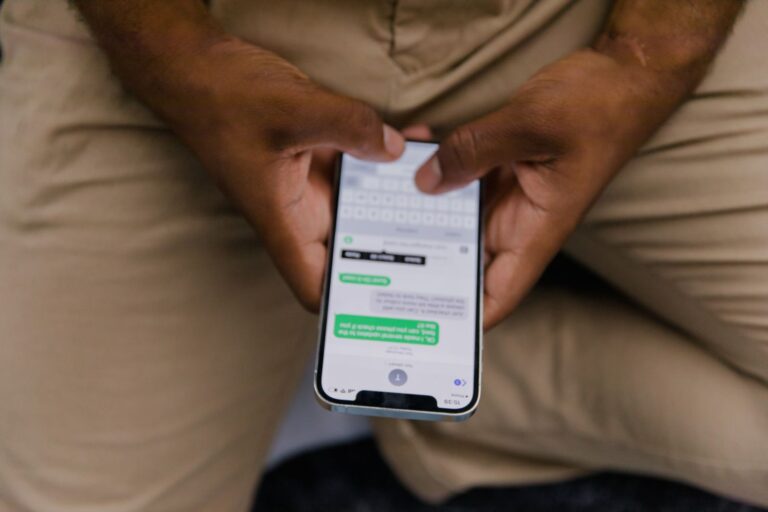

Chiropractor Website Design: How to Build a Site That Fills Your Schedule
People rarely choose a chiropractor on a whim. They’re in pain, they’re often a little skeptical, and they want to know the person adjusting their spine is qualified, gentle and close by. Your website is where they decide whether to book with you or keep scrolling.
This guide covers what good chiropractor website design looks like in 2026: the pages you need, how to make booking easy, how to build trust with cautious new patients, and how to show up when someone nearby searches for help.
Who you’re designing for
The audience is big. Gallup research for Palmer College of Chiropractic estimated that more than 33 million US adults had seen a chiropractor in the previous 12 months, and 63 million in the previous five years. A 2024 Harris Poll survey for the Foundation for Chiropractic Progress found 82% of Americans have experienced back or neck pain at some point.
But chiropractic patients come in different types, and your site should speak to each:
- People in acute pain who need an appointment soon and want to know if you can see them this week.
- First-timers who are curious but nervous and want to know what happens at the first visit.
- Specific groups such as auto accident patients, athletes, pregnant patients, older adults or families with children.
- Existing patients who just want to rebook quickly.

Pages every chiropractic website needs
| Page | What it should do |
|---|---|
| Homepage | Say who you help and where, show reviews, explain the first visit in one line, and offer one-tap booking and calling |
| New patients / first visit | Walk through the first appointment step by step: intake, exam, any imaging, first treatment, cost |
| Conditions you help with | Pages for the main reasons people come in (back pain, neck pain, headaches, sciatica, sports injuries), in plain language |
| Services and techniques | Adjustments, soft tissue work, rehab exercises, any other services you offer |
| Auto accident / personal injury | If you treat these patients: what to do after an accident, how billing works |
| About the doctor and team | Real photos, credentials, education, licensing, and why they practice |
| Pricing, insurance and payment | Cash prices or packages, insurance accepted, Medicare, HSA/FSA |
| Reviews | Real patient reviews with your Google rating and a link to your profile |
| Contact and location | Address, map, parking, hours, phone and booking |
| Patient forms | Links to secure intake forms in your practice software |
Design features that turn visitors into booked patients
Make booking effortless
Put a “Book now” button and a tap-to-call number at the top of every page and keep them visible on mobile. If your practice software offers online scheduling, link straight to it and let new patients pick a time without calling. Same-week or same-day availability is a strong selling point; say so if you offer it.
Answer the cost question
Pain makes people act; price uncertainty makes them hesitate. Say clearly what a first visit includes and what it costs, whether you take insurance, and whether you offer packages or memberships. Note Medicare coverage where relevant: Medicare.gov explains that Part B covers manual manipulation of the spine by a chiropractor to correct a subluxation, and CMS guidance says other services or tests ordered by a chiropractor aren’t covered.
Explain the first visit
First-timers worry about the unknown. A short, friendly page (or a homepage section) that explains the first visit removes that worry:
- Fill in your intake forms online before you arrive.
- Talk with the doctor about your pain, history and goals.
- Have an exam (and imaging only if it’s needed).
- Get a clear explanation of what’s going on and a plan.
- Receive your first treatment, if appropriate.
Add how long it takes and what to wear. A short welcome video from the doctor is even better.
Use a new patient offer carefully
Many practices use a new patient offer, such as a reduced-price first visit with exam. If you do, state exactly what’s included and any conditions, and check your state’s rules and any insurance contract terms before advertising discounts. Illustrative example: “New patient visit: consultation, exam and first adjustment, $59. Insurance patients: we’ll check your benefits first.”
Build trust with proof, not promises
Skeptical visitors respond to evidence:
- Credentials: DC degree, school, state license, years in practice, certifications.
- Real photos of the doctor, team and treatment rooms.
- Recent reviews near the booking buttons. BrightLocal’s 2026 survey found 97% of consumers read reviews for local businesses and 74% care most about reviews from the last three months.
- Specific patient stories shared with consent.
Avoid overpromising. Claims that chiropractic “cures” conditions, or guaranteed results, can erode trust and may raise regulatory or advertising issues. Stick to clear descriptions of what you do and who you help.
If you want more reviews, our guide on how to get more Google reviews covers the rules and simple scripts for asking.
A calm, welcoming look
People in pain want reassurance. Use soft, clean design, plenty of white space, real people, and easy-to-read text. Skip anatomy diagrams on the homepage; they’re better on condition pages.
Fast and mobile-first
Most people searching “chiropractor near me” are on a phone. Keep pages light and fast, buttons large, and text readable without zooming.
Condition pages: your best SEO asset
People search for their problem as often as for a chiropractor: “lower back pain relief [city],” “sciatica chiropractor,” “headache chiropractor near me.” A well-written page for each main condition helps them find you. Each page should:
- Describe the problem in everyday words.
- Explain how you assess it and how chiropractic care may help, without overpromising.
- Say when someone should see a medical doctor instead (this builds trust).
- Include a short FAQ and a booking button.
Keep each page genuinely different; copying the same text across conditions or towns helps no one.
Local SEO for chiropractors
- Complete your Google Business Profile with your category, hours, services, booking link and photos, and keep reviews coming.
- Use your city and neighborhoods naturally in page titles, headings and content.
- Add local business structured data to your website so search engines understand your practice, address and hours.
- Keep your name, address and phone consistent across your site and directories.
- Get listed with your state chiropractic association and reputable local directories.

Privacy and accessibility
This section is general information, not legal advice.
- Health information: chiropractors who are HIPAA-covered entities should collect intake details (history, symptoms, insurance) through secure, HIPAA-compliant forms, usually in their practice software, not a regular website contact form. Be careful with tracking pixels on pages that collect health information; in June 2024 a federal court vacated part of HHS’s guidance on tracking public webpages, but patient-facing forms and portals still need care.
- Accessibility: the Department of Justice says businesses open to the public, including medical offices, must make their websites accessible under the ADA. Our website ADA compliance checklist covers the basics.
Common chiropractor website mistakes
- No prices or insurance information.
- Booking only by phone during office hours.
- Generic stock photos instead of the real doctor and clinic.
- One long “services” page instead of condition pages.
- Overpromising results.
- No explanation of the first visit.
- Old reviews, or reviews hidden on a separate page.
- Slow, cluttered pages on mobile.
Template platforms vs a custom chiropractic website
Chiropractic marketing companies and template platforms offer quick, industry-specific sites, often for a monthly fee. They can work, but look closely at contract length, whether you own your domain and content, and whether you can move the site if you leave. A custom site you own can be a one-time cost with optional maintenance. Many of the same principles apply to other health practices; see our guide to dental website design and our broader guide to local business website design.
Frequently asked questions
What should a chiropractor website include?
A clear homepage, a first-visit page, condition pages, services, an about page with credentials and real photos, pricing and insurance information, reviews, contact and location details, secure intake forms, and online booking.
How can a chiropractor get more patients from their website?
Make booking one tap away on every page, show prices, insurance and recent reviews, explain the first visit, create helpful condition pages, keep your Google Business Profile active, and make sure the site is fast on phones.
Should a chiropractic website show prices?
Yes, at least for the first visit. Clear pricing removes a major reason people hesitate. If prices vary with insurance, explain how you check benefits.
Does a chiropractic website need to be HIPAA compliant?
The parts that collect patient health information should use secure, HIPAA-compliant tools, typically your practice software’s forms. Public information pages don’t need special handling, but tracking tools deserve care. Ask your compliance advisor about your setup.
How much does a chiropractor website cost?
It depends on the route: template subscriptions often charge monthly, while a custom small practice site can be a one-time project with optional maintenance. Make sure you own your domain and content either way.
Want a chiropractic website that fills your schedule?
We build practice websites you fully own, with booking buttons, first-visit information, condition pages and reviews in the right places. Five-page sites start at $750, usually take about two weeks, and include unlimited revisions until you’re happy. Want to see what we’d do for your practice first? We’ll design your homepage for free.
No obligation. Don’t love it? You don’t pay a thing.
Sources
- Gallup, “Majority in U.S. Say Chiropractic Works for Neck, Back Pain” (Gallup-Palmer College of Chiropractic research): https://news.gallup.com/poll/184910/majority-say-chiropractic-works-neck-back-pain.aspx
- Foundation for Chiropractic Progress / The Harris Poll survey (Aug 2024), via PR Newswire: https://prnewswire.com/news-releases/chiropractic-intervention-is-effective-pain-relief-method-according-to-survey-of-back-or-neck-pain-sufferers-302283713.html
- Medicare.gov, “Chiropractic services”: https://www.medicare.gov/coverage/chiropractic-services.html
- BrightLocal, Local Consumer Review Survey 2026: https://www.brightlocal.com/research/local-consumer-review-survey/
- Holland & Knight, “American Hospital Assn. v. Becerra: Are Tracking Tools OK Again?” (June 2024): https://www.hklaw.com/en/insights/publications/2024/06/american-hospital-assn-v-becerra-are-tracking-tools-ok-again
- ADA.gov, “Guidance on Web Accessibility and the ADA” (Mar 18, 2022): https://www.ada.gov/resources/web-guidance/
- Google Search Central, “Local business (LocalBusiness) structured data”: https://developers.google.com/search/docs/appearance/structured-data/local-business
Need a website that brings in inquiries?
Get a professional website, live in two weeks
We build fast, mobile-friendly websites for local businesses, planned around what you need your website to do. Five pages from $750, with unlimited revisions until you approve.

You’ll talk directly with Govind,
founder of Crazy Media Design.
$750
Five-page website · starting price
- Delivered in two weeks
- Unlimited revisions
- Mobile-friendly and fast
- You own your website